
The Mekong Tourism Forum (MTF) 2026 concluded in Yangon, Myanmar, bringing together tourism leaders, policymakers, and industry practitioners from across the six countries of the Greater Mekong Subregion (GMS). Held under the theme “Tourism for People, Travel with Purpose,” this year’s forum highlighted a critical evolution in regional strategies: the structural shift from merely promoting a destination to deeply understanding the modern traveler.
A key highlight ahead of the main forum was the technical workshop “Data to Decision – Evidence-Based Destination Marketing & Tourism Insights.” Ms. Nguyen Anh Thu, Co-founder and Chief Research Officer of The Outbox Company, co-facilitated this intensive four-hour session alongside Clickable Impact. The workshop gathered 25–30 senior representatives from National Tourism Organizations (NTOs), destination marketing organizations (DMOs), and tourism authorities from across the region.
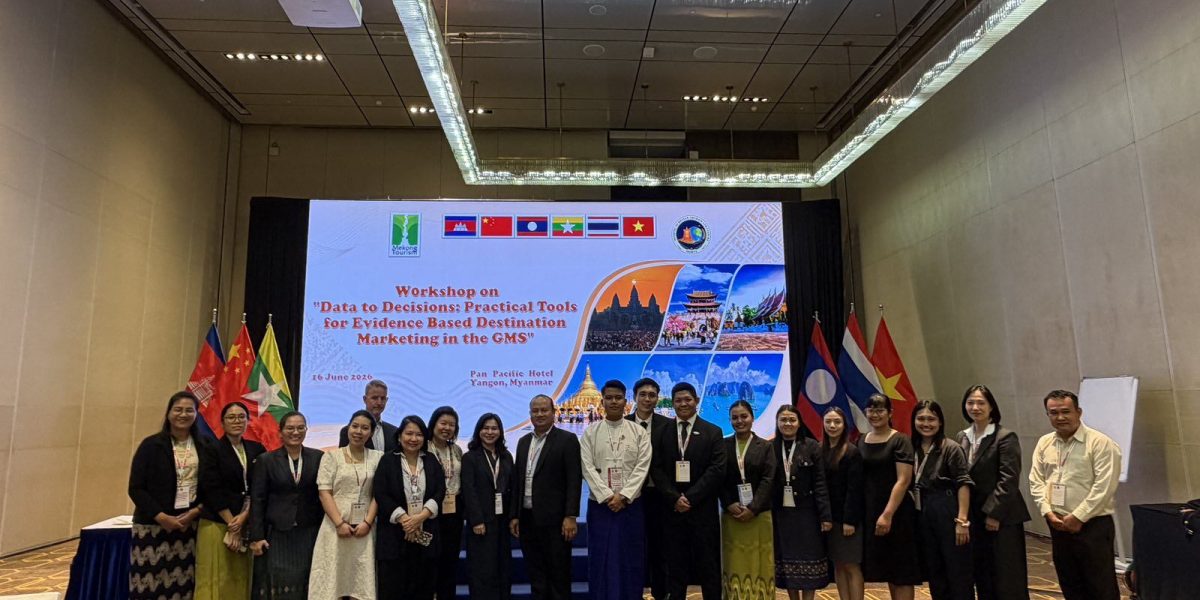
A Regional Conversation on Evidence-Based Tourism Marketing
The workshop was developed in support of the GMS Tourism Strategy 2030 and the GMS Tourism Marketing Action Plan 2026–2030, both of which emphasize the need for more targeted and evidence-based approaches to destination marketing.
As travel behaviors become increasingly diverse and experience-driven, destinations face growing pressure to move beyond broad promotional messaging and develop a clearer understanding of who their visitors are, what motivates them to travel, and how they make decisions. Yet while visitor statistics are often available, many tourism organizations continue to face challenges in accessing the deeper insights needed to guide marketing strategy, campaign development, and destination planning.
Against this backdrop, the workshop created a platform for participants to examine how demand insights can strengthen marketing effectiveness and support more informed decision-making across the tourism sector.
From Data to Decisions
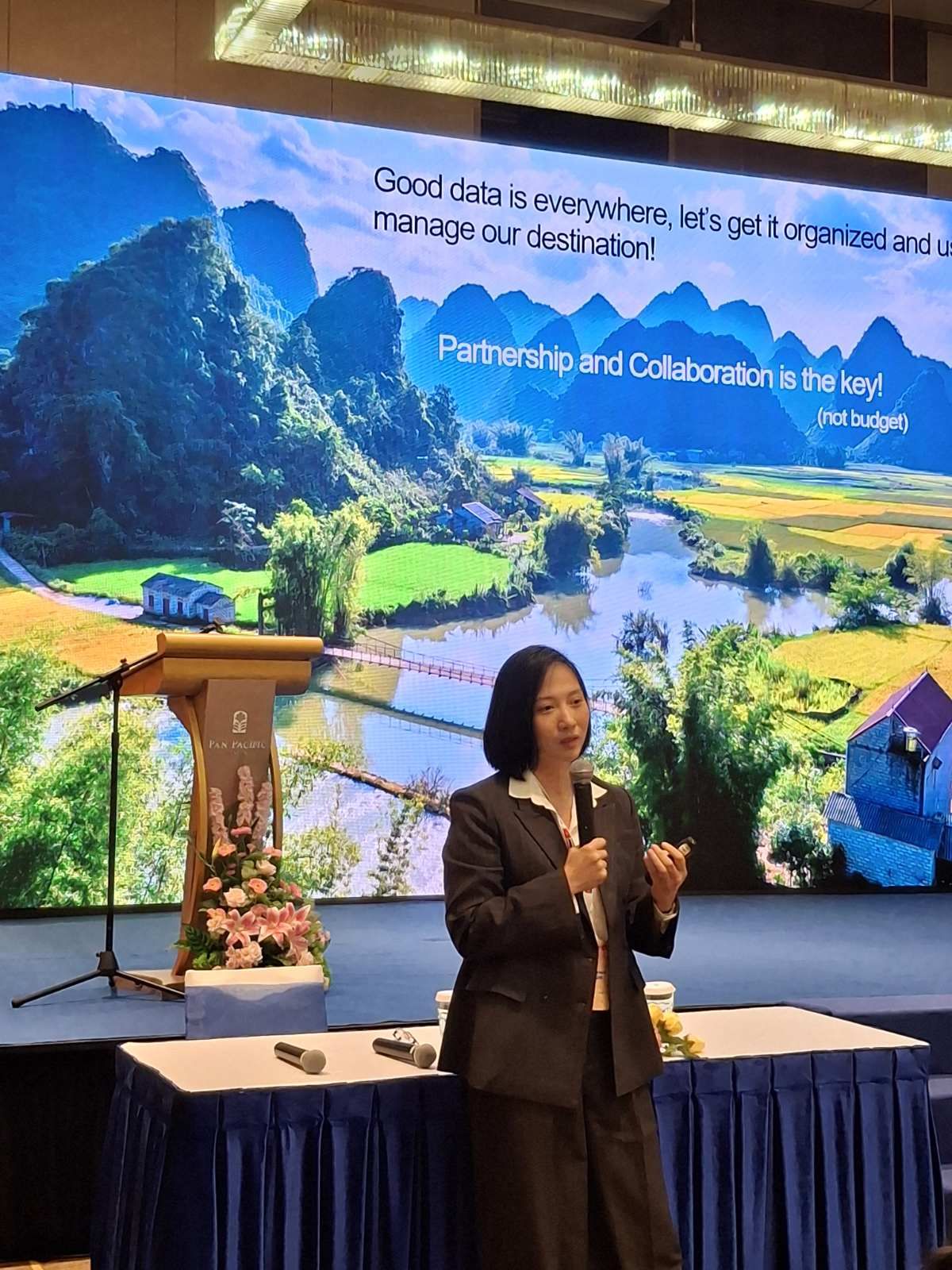
A central focus of the workshop was helping participants understand how available data can be transformed into practical insights.
Rather than emphasizing complex systems or advanced analytical tools, the session highlighted accessible approaches that tourism organizations can adopt using existing resources. Discussions explored how destinations can better interpret travel demand, identify information gaps, and generate insights from sources such as visitor surveys, digital analytics, online reviews, and partnerships with tourism businesses.
Interactive exercises encouraged participants to reflect on their current data practices, identify the information that is most valuable yet often missing, and consider how evidence can be applied to destination positioning, campaign development, and storytelling. Throughout the session, the emphasis remained on practicality: helping destinations make better use of the information already available to them rather than waiting for perfect data systems to emerge.
Strengthening Collaboration Across the Greater Mekong Subregion
Beyond individual destination marketing efforts, the workshop also explored how evidence-based insights can support greater collaboration across the GMS.
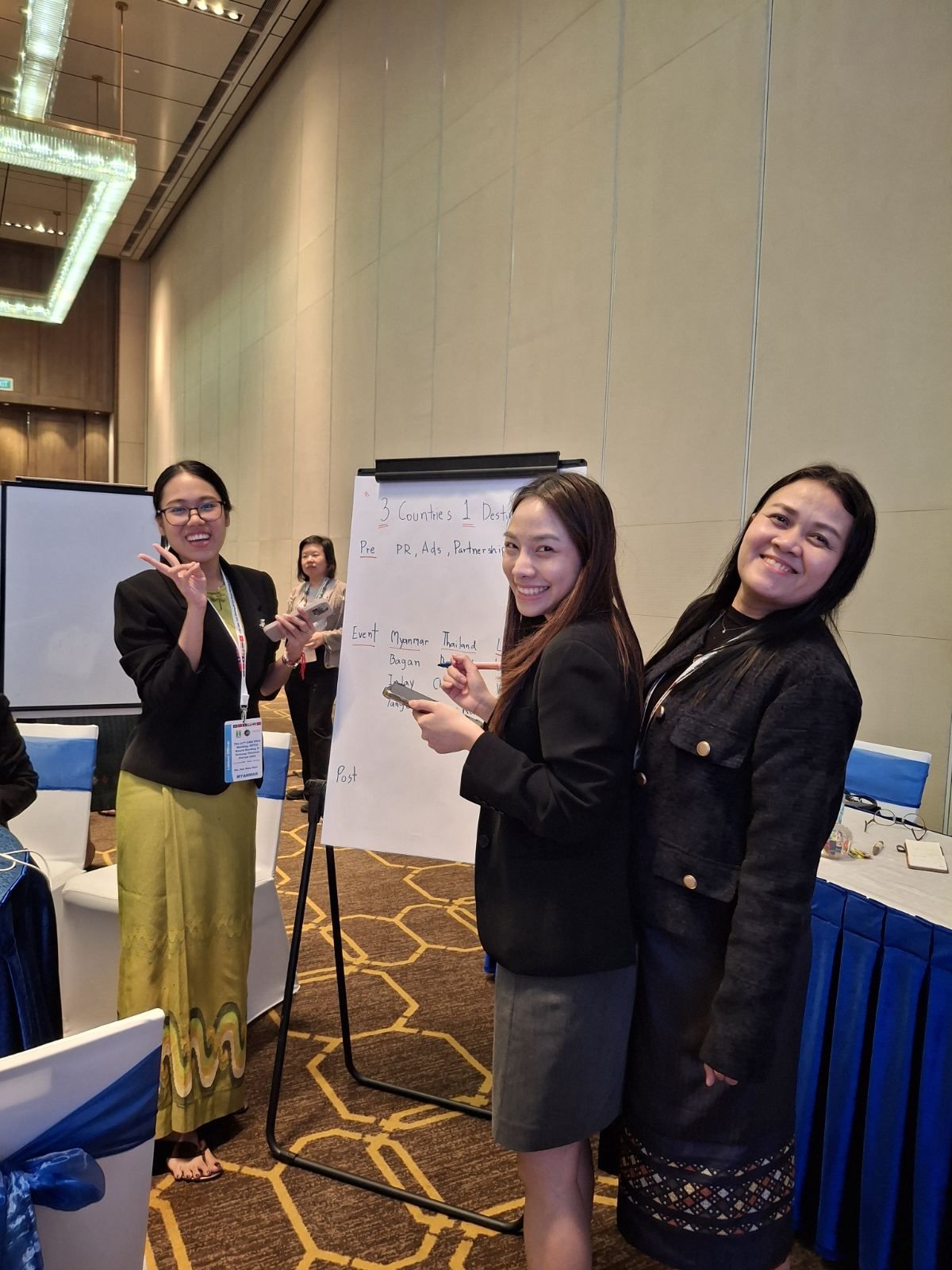
Participants discussed opportunities to strengthen cross-border tourism promotion through a better understanding of shared traveler interests, thematic tourism experiences, and regional travel patterns. Through group activities and knowledge exchange, the session highlighted how tourism organizations can learn from one another while working toward common objectives under the GMS Tourism Strategy 2030 and the GMS Tourism Marketing Action Plan 2026–2030.
The workshop concluded with participants identifying practical actions that could help strengthen data-informed destination marketing within their own organizations while also supporting greater cooperation across the region.
Supporting More Informed Tourism Development
For The Outbox Company, participation in MTF 2026 reflects our ongoing commitment to advancing evidence-based approaches to tourism development. Through our work in tourism research and insights, the company supports destinations and tourism organizations in better understanding traveler demand and translating evidence into practical decisions.
As destinations across the Greater Mekong Subregion continue to implement their long-term tourism strategies, the ability to understand visitor behavior, experience preferences, and travel demand will play an increasingly important role in shaping effective destination marketing. Initiatives such as the MTF 2026 workshop demonstrate how research, knowledge sharing, and regional collaboration can help tourism organizations move from data to decisions, creating more focused, relevant, and effective marketing approaches.