
For generations, the standard blueprint for a summer holiday was simple: chase the sun, pack a swimsuit, and head to the nearest crowded beach resort. However, a major shift in global travel behavior is unfolding. The modern summer getaway is no longer defined by sweating on a crowded beach, but by seeking refuge in temperate climates, fresh mountain air, and uncrowded natural landscapes.
This behavior has given rise to a major movement in global tourism: the “coolcation.”
Blending the words “cool” and “vacation,” the term describes a deliberate choice to spend summer holidays in destinations with temperate climates. The concept has quickly evolved from a niche alternative into a defining movement for summer travel trends 2026. From the mist-shrouded peaks of Northern Europe to the elevated highlands of Southeast Asia, travelers are redefining what it means to escape during the summer months.
The Rise of the Global Coolcation Trend
The momentum behind coolcation travel is directly tied to changing environmental realities. The planet is experiencing unprecedented summer temperatures, transforming once-idyllic Mediterranean and southern Asian getaways into challenging environments marked by extreme heat events and seasonal wildfires.
According to data from the Booking.com 2026 Travel & Sustainability Report, climate uncertainty is heavily impacting how people plan their trips. The study reveals that 74% of global travelers now consider extreme weather risks when choosing both their destination and the timing of their travel. Furthermore, 25% of respondents explicitly state they are actively seeking out cooler destinations to ensure a more reliable and comfortable travel experience.
This shift is visibly altering booking patterns. Travelers are bypassing traditional sweltering hotspots in favor of northern latitudes and high-altitude regions. Major travel platforms and industry reports highlight a clear pattern:
- The Nordic Surge: Booking.com accommodation data shows a substantial year-over-year increase in summer searches for cooler European nations, including Slovenia (+29%), Finland (+27%), and Norway (+33%).
- Scandinavian Demand: Industry projections from organizations like SIXT indicate that travel to Scandinavia is poised to experience a surge of up to 35% in 2026, easily outpacing the growth of traditional summer markets.
Why Travelers Are Choosing Cooler Destinations
The motivations driving the coolcation trend extend beyond mere temperature regulation. The movement is deeply intertwined with changing consumer values regarding wellness, sustainability, and personal comfort.
- Escaping Extreme Temperatures: The primary catalyst is the desire for a physically comfortable environment. High heat and intense UV index levels can compromise the health and safety of vulnerable groups, particularly young families and multi-generational travelers.
- Prioritizing Wellness and Well-Being: Travel is increasingly viewed as an opportunity for physical and mental restoration. Cool weather naturally fosters better sleep quality, enhances stamina for physical activity, and reduces the stress associated with heat exhaustion.
- Embracing Nature-Based and Sustainable Tourism: Cooler destinations often offer low-density, nature-immersive environments. This aligns with the principles of climate-conscious travel, where visitors prefer exploring pristine natural parks, supporting local preservation, and engaging in low-impact recreation.
- Mitigating the Stress of Overtourism: Many traditional summer beach hotspots suffer from severe seasonal overcrowding. Highland and northern destinations provide a more relaxed alternative, allowing travelers to experience local culture and open landscapes without the friction of massive crowds.
Coolcation Surge Around the World
The departure from sweltering coastal corridors is a cross-continental behavioral shift, as global travelers systematically realign their summer bookings with regional sanctuaries of thermal comfort.
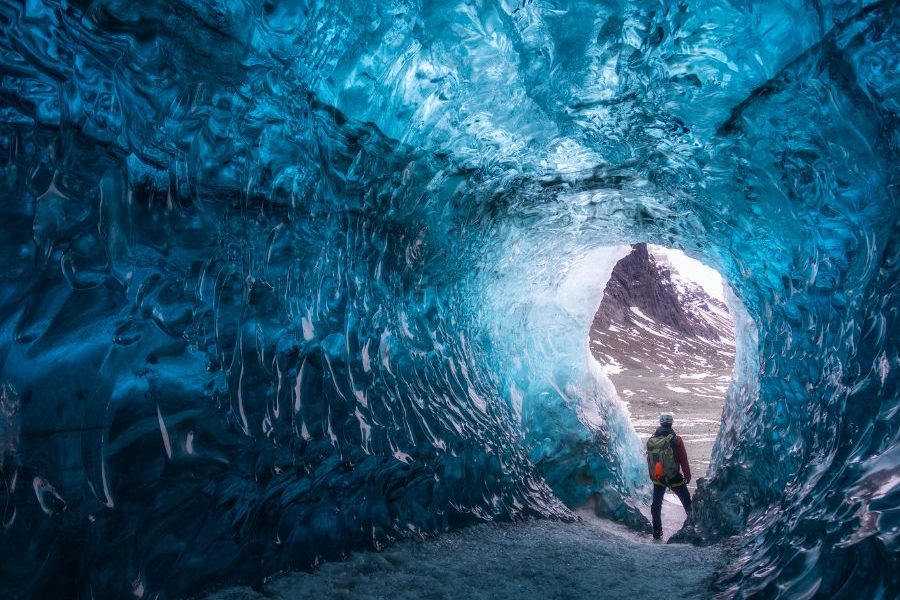
Northern destinations are experiencing unprecedented summer surges as travelers actively flee the extreme heat of the Mediterranean. According to global travel data from Trip.com Group, search volume for cooler climates grew by an impressive 237% from June to August compared to previous years, with northern regions like Iceland and Norway leading the demand for cold-weather activities, fjord cruises, and glacial treks.
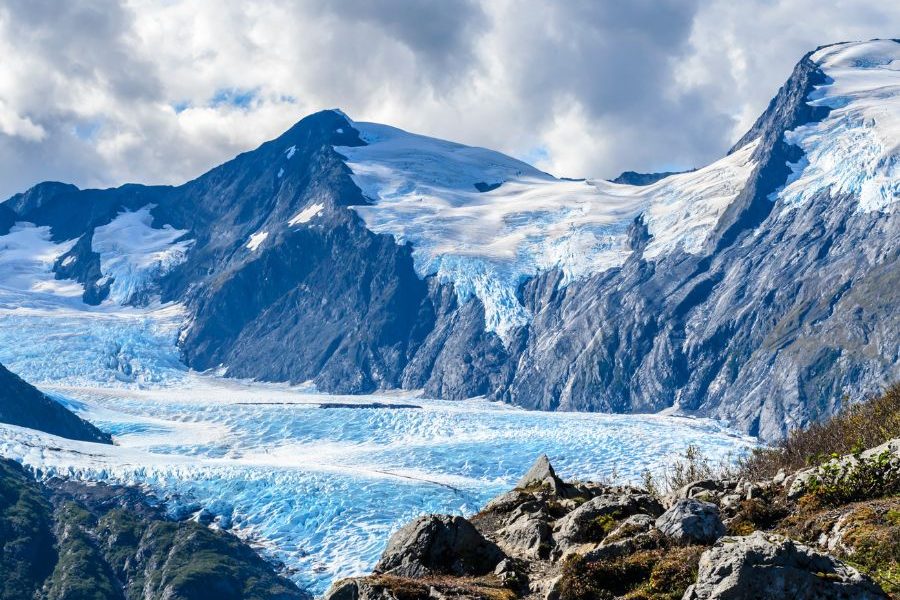
Travelers are executing a major geographical pivot toward higher elevations and wilderness territories to escape intense summer humidity. Data published by Skyscanner highlights this structural shift, revealing a 103% worldwide increase in hotel bookings utilizing “mountain view” filters, with roughly 73% of modern consumers explicitly prioritizing high-altitude escapes over classic beach environments.
The exact same patterns are rewriting the summer travel playbook across Asia, where major urban metropolises face prolonged seasonal heatwaves. In East Asia, search data highlights a major surge in travelers bypassing tropical shorelines in favor of temperate, high-altitude provinces and northern regions. For instance, flight searches to Kunming—the capital of China’s high-elevation, perennially mild Yunnan province—grew by 44 percent year-over-year. Similarly, a clear pivot toward cooler highland climates is also evident in Vietnam. According to data from the Vietnam Travel Market Monthly Tracker released by travel intelligence firm The Outbox Company, Lam Dong province—home to the perennially cool highland city of Da Lat—climbed from the 5th position in 2025 to the 2nd position in 2026 when domestic travelers were asked about the top destinations they intend to visit for their summer vacations.
What Coolcations Mean for the Future of Tourism
The institutionalization of the coolcation trend has profound implications for the global hospitality and destination marketing sectors. Tourism boards and business operators can no longer rely on rigid, traditional definitions of “peak season.”
We are likely to see a permanent redistribution of seasonal demand. While coastal destinations may experience an expansion of bookings into the shoulder months of spring and autumn when temperatures are more manageable, highland and northern destinations must prepare for a sustained influx of summer visitors. This creates substantial economic opportunities for mountain communities, eco-lodges, and rural operators.
However, it also presents challenges. Regions traditionally unaccustomed to heavy summer traffic must invest in sustainable infrastructure to avoid the pitfalls of overtourism, ensuring that their natural assets and cooler ecosystems remain protected for the long term.